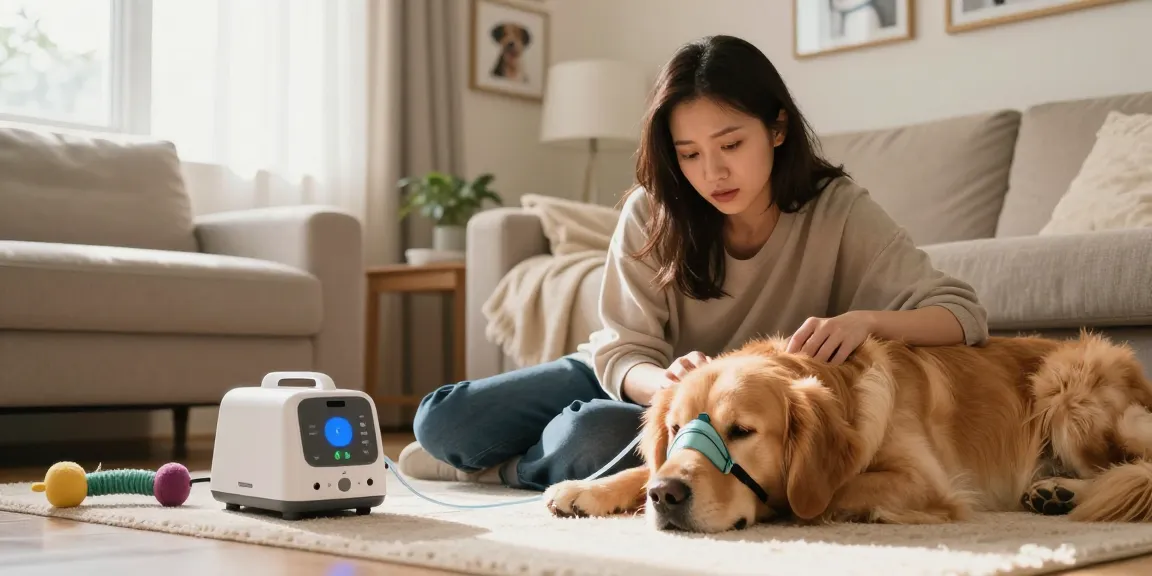
Understanding Pet Oxygen Therapy
Pet oxygen therapy is an innovative method designed to enhance the breathing and overall health of our furry companions. This therapy involves administering supplemental oxygen to pets suffering from various respiratory conditions, ensuring they receive the necessary oxygen their bodies crave. As pet owners, it’s crucial to understand the importance of pet oxygen therapy and the range of products available to facilitate this treatment. When exploring options, Pet Oxygen can provide comprehensive insights on how to best care for your furry friend through oxygen therapy.
What is Pet Oxygen Therapy?
Pet oxygen therapy involves the delivery of concentrated oxygen to pets, aiding in respiratory function and improving their quality of life. This therapy is particularly beneficial for animals with chronic respiratory diseases, asthma, heart problems, or those recovering from surgery. It operates on the principle that increasing the amount of oxygen available for inhalation can help alleviate symptoms associated with these conditions.
Benefits of Pet Oxygen for Your Furry Friends
- Improved Breathing: Oxygen therapy can significantly enhance your pet’s oxygen intake, providing relief from breathing difficulties.
- Enhanced Energy Levels: By improving oxygen delivery throughout the body, many pets exhibit increased vitality and activity levels.
- Faster Recovery: Post-surgery or illness, oxygen therapy can promote quicker healing and recovery due to improved cellular oxygenation.
- Reduced Stress: Pets in respiratory distress often experience anxiety. Administering oxygen can help them feel more comfortable and secure.
Common Conditions Treated with Pet Oxygen
Various health issues can be addressed through pet oxygen therapy. Here are some of the most common conditions:
- Chronic Obstructive Pulmonary Disease (COPD): A progressive condition in pets that limits airflow and reduces oxygen intake.
- Pneumonia: Inflammation of the lungs that can lead to difficulty breathing and reduced oxygen levels.
- Heart Disease: Oxygen therapy can support pets suffering from compromised heart function, ensuring essential oxygen delivery.
- Severe Allergies: Conditions causing inflammation in the respiratory tract can be alleviated with supplemental oxygen.
Choosing the Right Pet Oxygen Equipment
When considering pet oxygen therapy, selecting the appropriate equipment is vital. The options range from home oxygen machines to portable units designed for travel. Understanding these types allows pet owners to make informed decisions based on their pet’s specific needs and lifestyle.
Types of Pet Oxygen Machines
There are various types of pet oxygen machines available on the market, each with distinct advantages:
- Home Oxygen Concentrators: These units provide a continuous supply of oxygen for pets requiring extended therapy at home.
- Portable Oxygen Tanks: Ideal for on-the-go pet owners, these tanks can easily be transported and used as needed.
- Oxygen Barriers: These are specially designed compartments that allow pets to breathe concentrated oxygen without restricting their movement.
Essential Accessories for Pet Oxygen Therapy
In addition to the oxygen machines, several accessories enhance the effectiveness of pet oxygen therapy:
- Oxygen Masks: These masks, designed specifically for pets, can deliver oxygen directly to your animal while ensuring comfort.
- Oxygen Tubing: Flexible tubing connects your oxygen source to the delivery mask, allowing for optimal use.
- Adjustable Oxygen Hoods: These provide a controlled environment for pets needing consistent oxygen therapy.
Rental vs. Purchase: What’s Best for You?
When deciding between renting or purchasing pet oxygen equipment, consider factors such as duration of use, budget, and specific needs. Renting may be a cost-effective solution for temporary requirements, while purchasing suits those needing long-term therapy.
How to Administer Pet Oxygen Therapy
Administering pet oxygen therapy involves a straightforward process but requires care and attention to ensure your pet’s safety and comfort. Here’s a guide to help you get started.
Step-by-Step Guide to Setting Up
- Choose the Right Equipment: Select a suitable oxygen machine based on your pet’s size and needs.
- Setup: Place the machine in a well-ventilated area. Ensure that all accessories are clean and ready for use.
- Connect the Tubing: Attach the oxygen tubing to the machine and the mask or delivery system.
- Turn on the Machine: Follow the manufacturer’s instructions to power on the unit and adjust the flow rate accordingly.
- Administer the Therapy: Allow your pet to get accustomed to the equipment. Monitor their response throughout the process.
Safety Tips for Using Pet Oxygen Equipment
Safety is paramount when using oxygen therapy at home. Keep these tips in mind:
- Always supervise your pet during treatment.
- Avoid exposing the oxygen tank to heat sources.
- Ensure that the equipment is properly maintained and serviced regularly.
- Consult your veterinarian if you notice any adverse reactions or discomfort.
Recognizing Signs of Improvement in Your Pet
Monitoring your pet’s response to oxygen therapy is essential. Look for these signs of improvement:
- Increased activity levels and playfulness.
- Reduced panting and respiratory effort.
- Stable heart rate and breathing patterns.
- Improved overall temperament and comfort.
Flexible Leasing Options for Pet Oxygen
Flexibility in leasing options makes accessing pet oxygen therapy more convenient for pet owners. Understanding available plans can help match your pet’s needs with your budget.
Benefits of Renting Pet Oxygen Machines
- Cost-Effective: Renting can be more economical, especially for short-term needs.
- No Long-Term Commitment: Renting allows you to evaluate your pet’s oxygen needs without making a permanent purchase.
- Maintenance and Support: Rental agreements often include maintenance services, ensuring the equipment remains in good working order.
Understanding Rental Agreements and Terms
Carefully review rental agreements to understand the terms regarding duration, costs, and maintenance responsibilities. Many companies, including PetAir, offer clear, straightforward contracts with no hidden fees.
Choosing a Rental Plan for Your Pet’s Needs
Selecting the right rental plan involves assessing how frequently your pet requires treatment. Options may range from daily rentals for acute situations to monthly agreements for chronic conditions.
Frequently Asked Questions about Pet Oxygen
As you navigate pet oxygen therapy, you may have several questions. Here are some common inquiries from pet owners:
How long should my pet use oxygen therapy?
The duration of oxygen therapy varies based on your pet’s condition. Consult your veterinarian for personalized recommendations. For some pets, short sessions may suffice, while others may require extended periods.
Can I cancel my rental plan at any time?
Most rental services offer flexible cancellation policies, allowing you to terminate your contract with prior notice. Always check with your provider for specific terms.
What payment methods are accepted for pet oxygen services?
Payment options may include cash, credit/debit cards, bank transfers, and online payment platforms. Choose the method that works best for you.
How do I know if the equipment is safe for my pet?
Ensure that all equipment is reputable, regularly serviced, and compliant with safety standards. Your rental provider should provide documentation confirming safety checks.
What should I do if my pet shows discomfort during treatment?
Discomfort during oxygen therapy is rare but can occur. If your pet appears distressed, discontinue use immediately and consult your veterinarian for guidance.