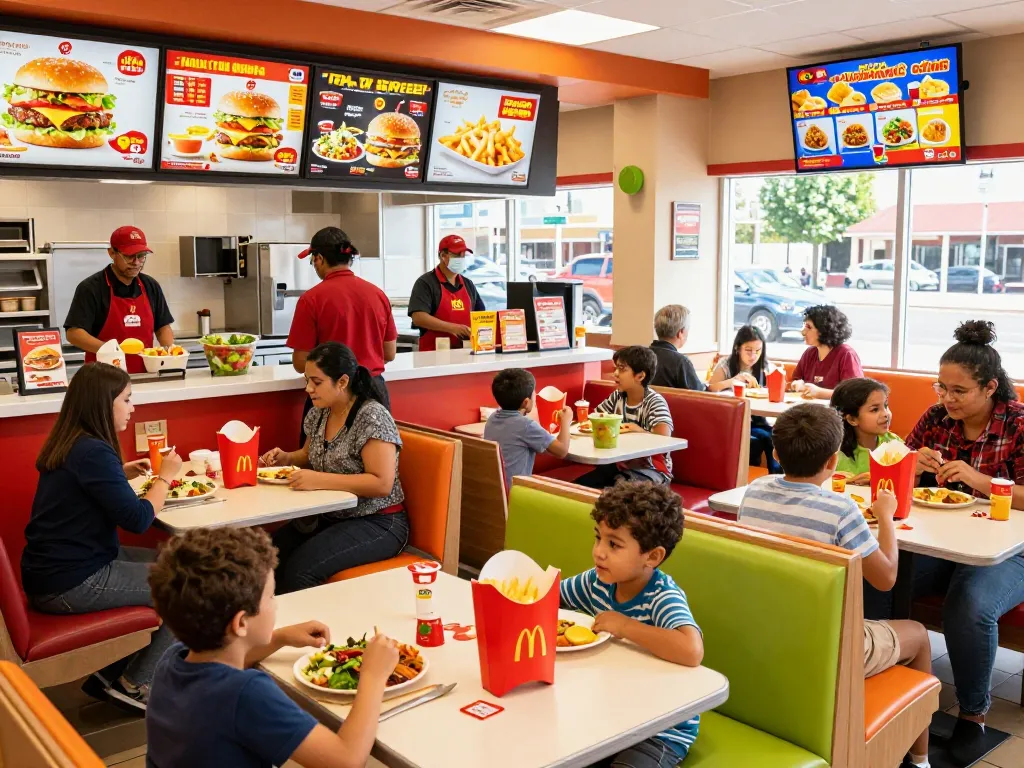
Understanding Current Fast Food Prices
The landscape of fast food prices has undergone significant changes, especially as we navigate through 2026. With inflation impacting various sectors, the cost of dining at fast food establishments has surged, redefining how consumers view affordability and value in their meals. As observations from industry experts suggest, the rising prices can be attributed to a plethora of factors, including supply chain disruptions, increased labor costs, and fluctuating ingredient prices. For those keen on exploring options, fast food prices provide comprehensive insights into these changes, offering a detailed overview of what customers can expect at the counter.
Overview of Fast Food Inflation Trends
Fast food inflation has been a hot topic in recent years, with prices rising at a staggering pace. Since the onset of the COVID-19 pandemic, many fast food chains have struggled to maintain their traditional pricing models. In fact, a recent study showed that the average cost of a fast food meal in the U.S. reached an all-time high, with the average price surpassing $11.50. This has raised eyebrows among consumers who used to consider fast food as an affordable dining option.
Data from various sources indicate that the cost of items like burgers, fries, and chicken sandwiches has increased by as much as 30% in select regions. The National Restaurant Association even noted that the fast food segment has faced a greater inflationary push compared to other dining sectors. As brands attempt to balance price hikes with consumer expectations, some have introduced innovative menu options at competitive rates.
Factors Influencing Price Changes
Several critical factors are driving fast food price escalations:
- Supply Chain Disruptions: Recent global events have caused significant delays and shortages in food supplies, which in turn has led to increased costs for fast food chains.
- Labor Costs: As minimum wage laws evolve and the demand for workers increases, labor costs have surged, prompting restaurants to pass these expenses onto consumers.
- Ingredient Prices: The prices of key ingredients like beef, chicken, and produce have seen dramatic fluctuations due to adverse climate conditions and economic shifts.
- Inflation Rates: The overall rise in inflation has made it challenging for businesses to maintain their profit margins while keeping prices low.
Comparative Analysis by State
Fast food prices are not uniform across the United States; they vary significantly from state to state. For instance, residents in Hawaii face some of the highest average prices, with a medium cheese pizza priced at an astonishing $18.99. Comparatively, states like Arkansas tend to have much lower prices, reflecting local economic conditions and cost of living.
This variation can be attributed to factors like regional demand, operational costs, and local competition. Understanding these differences can provide insights into consumer spending patterns across different demographics, as consumers in higher-cost areas may seek cheaper alternatives or special deals when dining out.
Popular Fast Food Chain Price Comparisons
McDonald’s Pricing Strategies
As one of the largest fast food chains globally, McDonald’s has implemented various pricing strategies to adapt to rising costs. The chain offers value menus and promotions that fluctuate regularly in response to market conditions. For example, while a Big Mac meal may now range between $8 and $12 depending on location, McDonald’s continues to find ways to remain competitive.
Recently, the company introduced promotional meals priced at $5, aiming to attract price-sensitive consumers. This strategy not only helps maintain customer loyalty but also counters the perception that fast food is becoming unaffordable.
Comparative Review of Competitors
Fast food competitors like Burger King, Taco Bell, and Wendy’s are also feeling the pressure of rising costs. Each chain has responded differently; for instance, Taco Bell has focused on bundling items to provide perceived value without significantly increasing prices.
Moreover, a comparative analysis of prices across these chains reveals varying price structures based on market positioning and target demographics. Wendy’s, for instance, has launched aggressive promotions to attract younger consumers who are more price-conscious in the current economic climate.
Value Menus and Promotions
In an effort to retain customers amidst rising prices, many fast food chains have revitalized their value menus. These menus feature budget-friendly options that cater to families and individuals looking to save money. Items are often priced between $1 and $5, making it easier for consumers to opt for fast food when they are on a tight budget.
Promotions, like limited-time offers and seasonal items, also play a crucial role in consumer attraction. Thus, tracking these offers can help consumers make informed decisions about their dining choices.
Consumer Behavior and Fast Food Choices
Demographics and Dining Preferences
Understanding who consumes fast food and why is essential in this evolving market. Research indicates that demographics such as age, income level, and lifestyle significantly influence dining preferences. For example, younger consumers, particularly Gen Z, are increasingly seeking value without compromising quality, leading them to scrutinize fast food prices more closely than previous generations.
Additionally, families with children often prioritize budget over gourmet dining, making fast food a convenient option. As such, understanding consumer behavior is critical for fast food chains aiming to capture this market segment effectively.
Impact of Price on Consumer Choices
Price sensitivity is a prevalent theme in consumer decision-making. With food inflation on the rise, many consumers are investing more time in comparing prices before making dining choices. This has led to an uptick in the popularity of apps and websites that provide real-time information about fast food prices and promotions.
Brands that can adapt to this price sensitivity while maintaining quality will likely fare better in the competitive fast food landscape.
Shifts in Fast Food Consumption Trends
Trends indicate a notable shift in fast food consumption, with an increasing number of consumers opting for healthier and more sustainable options. The growing demand for plant-based meals and transparency in sourcing practices reflects a change in consumer values.
Fast food outlets are beginning to respond to these preferences by diversifying their menus. Offering more vegetables, grain bowls, and ethically sourced proteins is a strategy used to attract health-conscious customers looking for convenient dining options.
Regional Variations in Fast Food Pricing
High vs Low Price Regions
Price variations across different regions can astound even the most seasoned fast food aficionados. In cities like San Francisco and New York, the cost of a basic combo meal can soar beyond $13, while in smaller towns in the Midwest, the same meal may cost half that price.
These discrepancies can further complicate the decision-making process for consumers, as they might find that their beloved chains charge considerably different prices based on geographical location.
Understanding Local Economic Factors
Local economic factors, such as income levels and cost of living, play a significant role in shaping fast food pricing. In regions with lower average incomes, chains may offer more aggressive pricing strategies to attract customers, whereas affluent areas might see higher prices reflecting greater operational costs.
Consequently, fast food chains must navigate these local economic challenges to balance profitability with competitive pricing.
Consumer Adaptations to Rising Prices
As prices climb, consumers are becoming more resourceful. Many are turning to meal prepping, exploring home-cooked alternatives, or leveraging loyalty programs and coupons to mitigate the impact of rising costs. This trend highlights the necessity for fast food brands to innovate continuously and cater to an evolving consumer landscape.
The Future of Fast Food Pricing
Predictions for 2026 and Beyond
Looking ahead, predictions suggest that fast food prices will continue to fluctuate in response to economic conditions, consumer trends, and competitive pressures. If current trends persist, we may see an increased focus on digital ordering and meal customization as chains look to enhance customer satisfaction while keeping costs in check.
Moreover, future pricing strategies will likely incorporate sustainable sourcing and transparency, allowing consumers to make more informed choices about what they eat.
Potential Impact of Economic Changes
Economic shifts, including potential recessions or changes in consumer spending habits, could profoundly affect the fast food industry. As disposable incomes fluctuate, consumers may prioritize value dining more than ever, compelling chains to adjust their offerings accordingly.
Moreover, changes in labor laws and ingredient sourcing could lead to further adjustments in pricing strategies, especially as companies aim to meet both consumer demands and regulatory requirements.
Adapting to Consumer Expectations
To thrive in this dynamic environment, fast food brands must proactively adapt to consumer expectations. This could mean investing in technology to streamline operations or enhancing menus to reflect emerging dietary trends.
In essence, the successful brands will be those that are nimble enough to adjust pricing strategies while maintaining the quality and value their customers have come to expect.
What are the average fast food prices today?
The average fast food meal today varies widely by location but generally hovers around $11.50, with some areas seeing significantly higher prices. For consumers in metropolitan areas, the average could reach as high as $13.88, indicating a substantial hike in meal costs.
Why are fast food prices increasing in recent years?
Price increases can be attributed to multiple factors including rising labor costs, supply chain disruptions, and inflation. These elements have forced chains to reassess their pricing models and offer limited-time promotions to attract cost-conscious consumers.
How do fast food prices vary by location?
Fast food prices vary significantly across different regions, influenced by local economies, operational costs, and demand. For example, urban centers typically exhibit higher prices compared to rural areas, where operational costs are lower.
What factors contribute most to fast food price changes?
The primary factors influencing fast food price changes include labor costs, ingredient prices, local market conditions, and broader economic factors such as inflation rates and consumer demand. These elements combine to create a complex pricing environment for fast food restaurants.
Are there healthier alternatives at fast food outlets?
Yes, many fast food chains have recognized the shift in consumer preferences towards healthier options. This has led to the introduction of menu items like salads, whole grain sandwiches, and plant-based protein options, catering to health-conscious diners while still providing the convenience of fast food.