Understanding AI-Generated Images
The emergence of artificial intelligence has ushered in a new era of creativity, especially in the realm of digital art. AI-generated images are at the forefront of this artistic transformation, enabling both professionals and amateurs to create stunning visuals with mere textual descriptions. As we delve into the intricacies of AI-generated images, it's essential to acknowledge how these innovations are reshaping our approach to art, design, and marketing. When exploring options, AI-Generated Images provide comprehensive insights into this fascinating technology.
What Are AI-Generated Images?
AI-generated images are visuals created using artificial intelligence algorithms, often through machine learning models that interpret text prompts. These models can analyze millions of images and their corresponding descriptions, thus generating unique artwork that reflects the given input. This process is not limited to simple graphics; it includes intricate designs, illustrations, and even photorealistic images. As a result, AI is revolutionizing how we perceive creativity and artistic expression.
The Evolution of AI in Art Creation
The journey of AI in art creation began in the early 2010s, primarily with the advent of deep learning technologies. Early experiments involved simple image processing, which gradually evolved into more complex systems capable of generating entirely new artworks. The introduction of Generative Adversarial Networks (GANs) marked a significant turning point, allowing machines to create visual content that rivals human artists. This evolution has led to AI becoming a valuable collaborator in creative processes, challenging traditional notions of authorship and originality.
Key Technologies Behind AI Art Generators
Several key technologies underpin the functionality of AI art generators. Notably, machine learning, particularly deep learning, plays a pivotal role in training models to understand and generate images. Neural networks, especially convolutional neural networks (CNNs), are employed to analyze image patterns and characteristics. Alternatively, GANs utilize two neural networks—a generator and a discriminator—that work against each other to produce high-quality images. Additionally, natural language processing (NLP) enables models to interpret the nuances of text prompts, ensuring that the generated images align with the user's expectations.
The Benefits of Using AI-Generated Images
Enhancing Creativity and Artistic Expression
AI-generated images offer unmatched opportunities for enhancing creativity. Artists and designers can experiment with ideas and concepts rapidly, as these tools allow for the exploration of countless variations in style, color, and composition. This technology empowers creators to push boundaries, often leading to unexpected and innovative outcomes. Furthermore, AI can reduce the barriers to entry for individuals who may lack traditional artistic skills, fostering a more inclusive creative environment.
Cost Efficiency for Businesses and Creators
Utilizing AI-generated images can significantly reduce costs associated with traditional art production. For businesses and marketers, commissioning bespoke artworks can be prohibitively expensive and time-consuming. AI tools, on the other hand, allow companies to generate high-quality visuals at a fraction of the cost and time. This cost-efficiency is particularly beneficial for small businesses looking to create impactful marketing materials without extensive budgets.
Speeding Up the Design Process Effectively
The design process can often be lengthy, involving multiple revisions and feedback cycles. AI-generated images streamline this workflow by enabling rapid prototyping and iterations. Designers can create multiple variations of an image in minutes, drastically reducing the turnaround time for projects. This speed allows for more agile responses to market demands and customer feedback, giving businesses a competitive edge.
Common Misconceptions About AI-Generated Images
Are AI Artworks Truly Original?
A common question surrounding AI-generated images is their originality. Many believe that since AI systems learn from existing works, their outputs can never be entirely original. However, it's crucial to understand that AI does not replicate images verbatim; rather, it synthesizes information from various sources to create something new. The uniqueness of AI-generated images lies in their ability to combine styles and elements in ways that humans may not conceive.
The Role of Human Input in AI Art Generation
While AI can generate images autonomously, human input remains vital in guiding the creative process. Text prompts act as catalysts for inspiration, and the subjective judgment of human artists helps refine the outputs. Many artists view AI as a tool that enhances their creative capabilities rather than a replacement for human creativity. The collaborative relationship between AI and human artists paves the way for groundbreaking artistic innovations.
Ethical Considerations in AI Art Creation
As with any emerging technology, ethical considerations are paramount when discussing AI-generated images. Issues such as copyright infringement, the potential for misuse, and the implications of AI-generated art on traditional artists raise essential questions. Moreover, ensuring that AI systems are trained on diverse and inclusive data sets is crucial to avoid perpetuating biases in generated artwork. Navigating these ethical challenges will be vital as the technology continues to evolve.
Practical Strategies for Using AI-Generated Images
Best Practices for Designers and Marketers
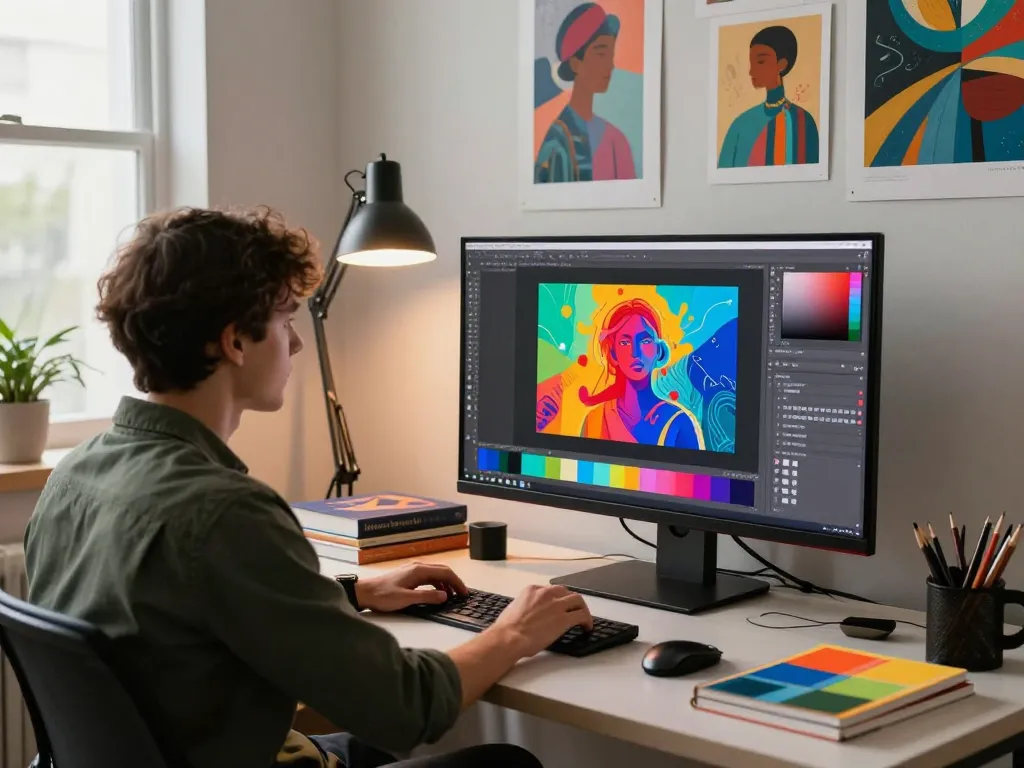
When incorporating AI-generated images into design workflows, users should adhere to best practices to maximize effectiveness. It's recommended to start with clear and detailed text prompts, as the specificity will lead to more relevant outputs. Moreover, designers should be prepared to iterate on the results, using AI as a springboard for further refinement rather than a final solution. Additionally, maintaining a balance between AI-generated content and human creativity can yield the best results.
Integrating AI Art into Branding and Marketing
AI-generated images can significantly enhance branding efforts. Companies can use these visuals to create unique and memorable brand identities that resonate with their target audiences. For instance, AI-generated imagery can be utilized in social media marketing, websites, and promotional materials, ensuring that brands maintain a consistent and engaging visual presence across all platforms.
Tools and Platforms for AI Image Generation
Numerous tools and platforms are available for generating AI images, each offering distinct features and capabilities. Some popular options include:
- Canva: Provides an intuitive interface for creating AI-generated images alongside other design features.
- DeepAI: An easy-to-use platform that allows users to convert text prompts into images quickly.
- Adobe Firefly: Offers robust capabilities for generating stunning visuals with personalized styles.
- ImagineArt: A specialized tool for creating AI-generated illustrations tailored to specific needs.
Future Trends in AI-Generated Images
Predictions for the Next Decade in Digital Art
As we look to the future, the landscape of AI-generated images is expected to evolve dramatically. Innovations in machine learning models will lead to even more sophisticated outputs, with increased realism and personalization. Furthermore, the integration of augmented reality (AR) and virtual reality (VR) with AI art generation will likely open new avenues for interactive experiences in digital art.
The Impact of AI on Creative Industries
The influence of AI-generated images will extend beyond individual artistry, reshaping entire creative industries. Advertising, gaming, and film production are already witnessing the transformative potential of AI. As traditional workflows adapt to incorporate AI technologies, we can expect a convergence of disciplines, where digital art, graphic design, and marketing strategies become more intertwined than ever.
Adapting to Emerging Technologies and Styles
Staying ahead of trends will be crucial for artists and businesses looking to leverage AI-generated images effectively. Embracing emerging technologies, such as procedural generation and style transfer, will allow creators to push the boundaries of digital art further. Additionally, being receptive to new artistic styles that AI can introduce will present exciting opportunities for innovation in the visual arts.
What Are the Best AI Image Generators Available?
The best AI image generators can vary based on user needs and preferences. Some notable mentions include:
- Artbreeder: Focuses on collaborative image creation, allowing users to blend and modify images.
- Runway ML: Offers a suite of creative tools leveraging AI for artistic expression.
- NightCafe Studio: Known for its community-driven approach, allowing users to share and enhance creations.
How Do AI-Generated Images Compare to Traditional Art?
AI-generated images often spark debate regarding their comparison to traditional art. While traditional artists rely on skills honed over years of practice, AI-generated images offer a different kind of creativity—one steeped in data and algorithms. The two forms can coexist, each enriching the other through exploration and experimentation. The ability of AI to generate art rapidly opens discussions about the nature of creativity and expertise in the digital age.
Can AI-generated content be used commercially?
Yes, AI-generated content can be used commercially, but it is vital to understand the licensing agreements and copyright implications associated with the chosen AI tool. Many platforms provide terms of service that outline how generated images can be utilized, including commercial use. Users should ensure compliance with these terms to avoid legal complications.
How Is Copyright Managed for AI-Generated Images?
Copyright issues concerning AI-generated images remain complex and are an evolving area of law. Typically, it depends on the jurisdiction and the specific use of the generated content. Creators and users need to be aware of the rules governing ownership and rights as they relate to AI-generated works, especially when using these images for commercial purposes.
What Skills Are Needed to Use AI Art Tools Effectively?
To utilize AI art tools effectively, users should possess a blend of creative and technical skills. Familiarity with design principles is advantageous, as is an understanding of how to craft effective text prompts. Additionally, being open to experimentation and maintaining an inquisitive mindset will allow users to maximize the potential of AI-generated images in their creative endeavors.