The Importance of Oxygen Therapy for Pets
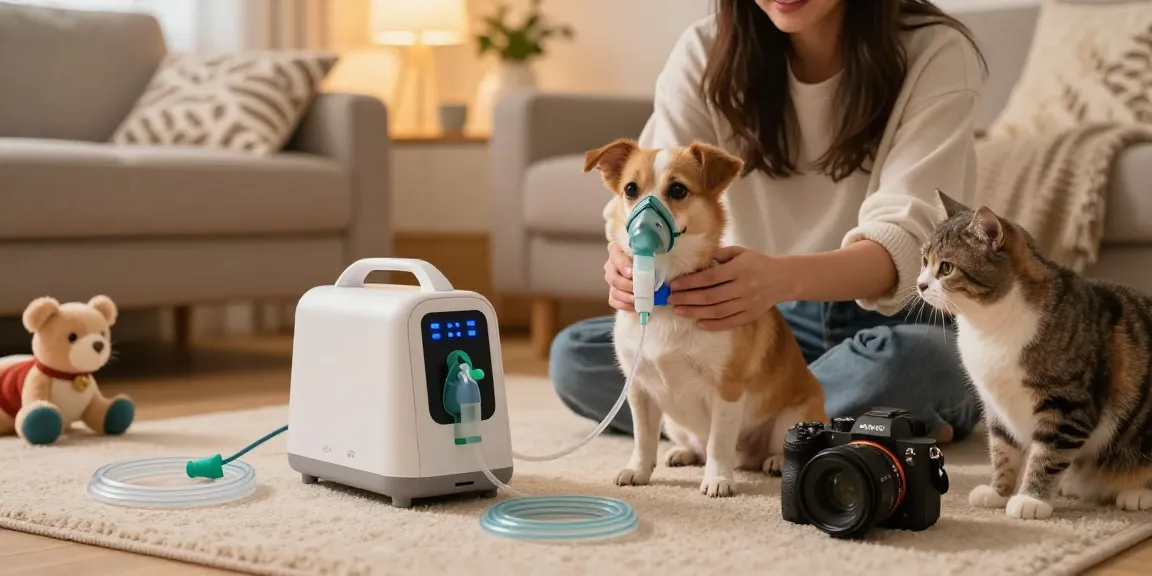
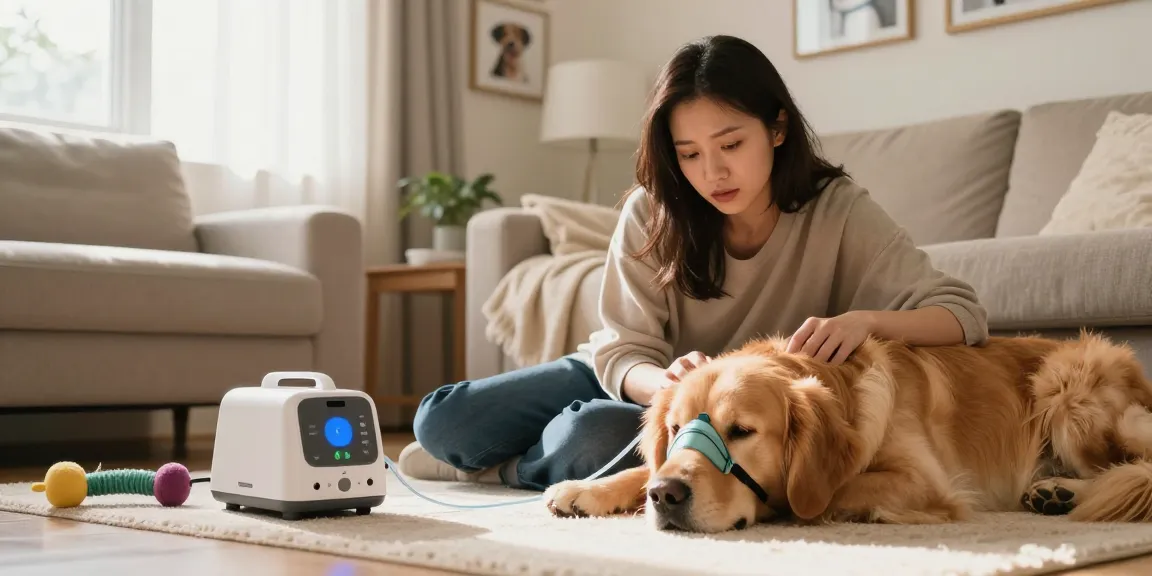
Just like humans, pets can suffer from various health conditions that affect their ability to breathe effectively. Oxygen therapy has become a vital treatment option for delivering supplemental oxygen to pets with respiratory issues. By providing this essential support, pet owners can significantly improve the quality of life for their furry companions. When exploring options, Click here for details on how oxygen therapy works and the resources available to help your pet breathe easier.
What Conditions Require Oxygen Therapy?
Oxygen therapy is beneficial for pets suffering from a range of conditions, including:
- Chronic Obstructive Pulmonary Disease (COPD)
- Pneumonia
- Asthma
- Lung tumors
- Heart disease
- Post-surgical recovery, especially after procedures involving the respiratory system
Each of these conditions can severely limit a pet's oxygen intake, leading to increased stress on their body and potential organ failure if left untreated.
Signs That Your Pet Needs Oxygen Support
Recognizing the signs that your pet may require oxygen therapy is crucial for timely intervention. Common indicators include:
- Labored breathing or shortness of breath
- Persistent coughing or wheezing
- Exercise intolerance, where your pet becomes tired more quickly than usual
- Blue-tinged gums or tongue (cyanosis)
- Signs of distress or anxiety related to breathing
If you notice these symptoms, it's important to consult your veterinarian immediately for a proper assessment and potential oxygen therapy treatment.
The Benefits of Home Oxygen Therapy
Home oxygen therapy offers numerous benefits, making it an ideal choice for both pets and their owners. These advantages include:
- Comfort: Pets can receive treatment in the comfort of their own home, which can significantly reduce anxiety.
- Convenience: Having oxygen therapy at home eliminates the need for frequent trips to the veterinarian.
- Cost-Effectiveness: Rental options for oxygen concentrators can be more affordable than constant veterinary visits.
- Enhanced Recovery: Continuous access to oxygen can lead to quicker recovery times for pets undergoing treatment for respiratory issues.
Through home oxygen therapy, pet owners can ensure that their beloved companions have the best possible chance for a healthy and comfortable life.
Understanding Pet Oxygen Concentrators
Oxygen concentrators are devices that filter surrounding air and deliver concentrated oxygen to pets in need. These machines are a fundamental aspect of oxygen therapy, allowing pet owners to provide necessary treatment effectively.
How Do Oxygen Concentrators Work?
Oxygen concentrators work by taking in room air, which is approximately 21% oxygen, and removing nitrogen and other gases, resulting in a higher concentration of oxygen—typically around 90-95%. The processed oxygen is then delivered to the pet through various types of masks or tubing, ensuring they receive the support needed to breathe easily.
Different Types of Oxygen Concentrators
When considering oxygen therapy for your pet, it’s essential to understand the different types of concentrators available:
- Home Oxygen Concentrators: These machines are designed for stationary use, providing a continuous supply of oxygen for pets at home.
- Portable Oxygen Concentrators: Ideal for traveling, these units are lightweight and can be used on-the-go, ensuring pets continue to receive therapy during outings.
- Combination Units: For those who need both home and travel options, these units offer versatility, catering to a pet's varying needs.
Choosing the right type of oxygen concentrator depends on your pet's condition and lifestyle.
Choosing the Right Model for Your Pet
Selecting the best oxygen concentrator involves considering several factors:
- Pet Size: Ensure that the model you select can accommodate your pet's size comfortably.
- Type of Therapy Required: Depending on whether your pet will need stationary or portable support, choose accordingly.
- Noise Level: Some pets may be sensitive to the sound of the machine, so consider models that operate quietly.
Discuss these aspects with your veterinarian to ensure your choice aligns with your pet's unique needs.
Rental Plans and Pricing Transparency
To make oxygen therapy accessible, many companies offer various rental plans that cater to different pet needs and budgets. Understanding these plans is essential for making an informed decision.
Flexibility in Rental Agreements
Rental agreements can vary considerably, depending on the provider. Look for plans that offer flexibility, such as the ability to:
- Adjust rental periods based on your pet’s therapy needs.
- Upgrade or downgrade equipment as your pet’s health changes.
- Cancel the rental agreement with minimal notice.
Such flexibility can provide peace of mind during uncertain times.
Understanding Cost Structures and Fees
When renting an oxygen concentrator, it's critical to be aware of any associated costs or fees. Common elements include:
- Base Rental Fee: The main cost for the equipment.
- Delivery and Setup Charges: Some services may charge for transporting and installing the equipment at your home.
- Maintenance Fees: Be aware of any additional fees for equipment maintenance or repairs.
Always inquire about any hidden fees to ensure you select a plan that meets your budget.
Long-Term vs. Short-Term Rentals: What to Consider
Deciding between long-term and short-term rentals depends on your pet's condition and therapy duration. For pets needing ongoing treatment, long-term plans may offer better rates. Conversely, if you anticipate a short recovery period, a temporary rental might suffice. Discuss your options with your veterinarian and the rental provider to align on the best approach for your pet’s needs.
Essential Accessories for Oxygen Therapy
To enhance the oxygen therapy experience, several accessories can be utilized. These items not only improve the efficiency of oxygen delivery but also ensure pet comfort during treatment.
Overview of Accessory Options
Some popular accessories that can complement oxygen therapy include:
- Oxygen Tubing: Connects the concentrator to masks or cages, available in different lengths.
- Oxygen Masks: Designed for easy application, these can be particularly useful for pets that resist cages.
- Humidifiers: These devices add moisture to the oxygen, preventing dryness and discomfort.
Choosing the right accessories can optimize your pet's therapy experience and ensure they are comfortable throughout the process.
How Accessories Enhance the Therapy Experience
Using appropriate accessories can significantly improve the effectiveness of oxygen therapy. For example:
- Oxygen Cages: Provide a controlled environment for pets receiving therapy, allowing owners to monitor their pets closely.
- Head Covers and Masks: Facilitate direct oxygen delivery, which can be less stressful for pets who dislike being confined.
Investing in the right accessories can make oxygen therapy a smoother experience for both the pet and owner.
Must-Have Accessories for Pet Comfort
Some essential accessories to consider for your pet's comfort include:
- Soft Oxygen Head Covers: These are designed to fit snugly without causing distress.
- Portable Masks: Ideal for travel, these masks ensure that pets can receive oxygen therapy wherever they are.
These accessories not only enhance therapy but also help make the experience less intimidating for your pet.
FAQs About Pet Oxygen Therapy
As pet owners consider oxygen therapy, several questions often arise regarding its implementation and benefits.
How Do I Know If My Pet Needs Oxygen Therapy?
Monitoring your pet for signs of respiratory distress is crucial. If your pet exhibits any symptoms such as labored breathing, coughing, or lethargy, consult your veterinarian to determine if oxygen therapy might be necessary.
What Is the Process for Renting an Oxygen Machine?
Renting an oxygen machine typically involves the following steps:
- Consult with your veterinarian to assess your pet's needs.
- Choose a rental plan that best suits your requirements.
- Schedule delivery and setup of the oxygen concentrator.
Once set up, you’ll receive instructions on using the equipment safely.
Are There Any Risks Associated with Oxygen Therapy?
While oxygen therapy is generally safe, improper use can lead to potential risks such as:
- Oxygen toxicity, if levels are too high.
- Overheating the equipment, which can lead to malfunctions.
Always follow guidelines provided by your veterinarian and the rental provider to mitigate these risks.
Can I Use Oxygen Therapy for Both Cats and Dogs?
Yes, oxygen therapy can be used for both cats and dogs. However, the equipment and accessories may vary based on the size and specific needs of the pet.
What Payment Methods Are Accepted for Rentals?
Most rental services offer a variety of payment methods for convenience, including:
- Cash on delivery
- Bank transfers
- Credit cards (Visa and Mastercard)
- Digital payment platforms like FPS and PayMe
Always check with your provider for the most current payment options available.