Understanding the Image to Prompt Generator
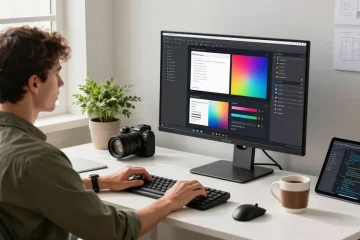
In the rapidly evolving world of artificial intelligence and digital design, the emergence of tools that can convert images into highly descriptive prompts marks a significant leap forward. The image to prompt generator offers an innovative solution for artists, marketers, and creators alike, providing a seamless interface to transform visual content into rich, textual descriptions that can guide various AI models. This combination of AI technology not only enhances productivity but elevates the creative process by enabling creators to better articulate their vision through AI-based prompts.
What is an Image to Prompt Generator?
An image to prompt generator is a specialized AI tool designed to analyze the visual elements of an uploaded image and translate them into detailed text prompts. These prompts encapsulate the essence of the image, including subjects, environments, and styles, which can then be utilized by various AI image generation models such as Midjourney, Stable Diffusion, and Gemini. By bridging the gap between visual and textual content, these generators empower users to create more targeted and effective AI-generated art.
How Does the Tool Work?
The functionality of an image to prompt generator is rooted in advanced computer vision algorithms and natural language processing. When a user uploads an image—be it a photograph, illustration, or diagram—the generator employs algorithms to dissect the image’s components, including color schemes, patterns, and object recognition. After analysis, it composes a coherent text prompt that reflects the image’s characteristics. This prompt often includes intricate details, enhancing its applicability to AI art generators.
Key Benefits for Creative Professionals
- Efficiency: Quickly transform images into prompts without needing extensive writing skills.
- Enhanced Creativity: Utilize precise prompts to inspire new ideas and directions in projects.
- Versatility: Use across various industries, from marketing to personal art projects.
- Improved Clarity: Clear and detailed prompts help in achieving the desired output from AI models.
How to Effectively Use the Image to Prompt Generator
Step-by-Step Process for Image Upload
Using an image to prompt generator is a straightforward process. Here’s how to get started:
- Upload Your Image: Select an image file up to 10MB in formats such as PNG, JPG, or WEBP.
- Select Your AI Model: Choose the specific AI model for which you are generating prompts (e.g., Midjourney, Stable Diffusion).
- Generate the Prompt: Click the “Generate Prompt” button and wait a few moments for the tool to analyze the image.
- Review and Refine: Assess the generated prompt and refine it according to your creative needs.
Choosing the Right AI Model for Your Needs
Selecting the appropriate AI model is crucial for achieving optimal results. Each model has its strengths; for instance, Midjourney excels in creating artistic interpretations while Stable Diffusion is known for photorealistic outputs. Understanding what each model offers can help users tailor their prompts effectively to leverage the unique capabilities of each AI.
Tips for Refining Generated Prompts
While the generator provides a solid foundation, refining your prompts can enhance their effectiveness significantly. Here are some tips:
- Add Specificity: Include specific adjectives or stylistic references to guide the AI further.
- Adjust Tone: Modify the language used to align with the intended artistic expression.
- Combine Multiple Outputs: Mix elements from different generated prompts to create something unique.
Common Challenges with Image to Prompt Generation
Interpreting AI-Generated Outputs
One of the main challenges users face is understanding and interpreting the generated prompts. AI algorithms can sometimes produce outputs that may not align perfectly with user expectations. Therefore, it’s essential to approach the generated content critically and make necessary adjustments to ensure it meets the project’s goals.
Addressing Misconceptions About AI Tool Accuracy
Many users mistakenly believe that AI tools will always provide perfect prompts without requiring any human intervention. However, these generators are not infallible; they rely on the quality of the image input and their training data. Emphasizing the need for users to actively participate in the refining stage can enhance the overall experience and output quality.
Overcoming User Frustrations
Frustrations may arise from unexpected outputs or a lack of control in the generation process. Educating users on prompt structuring and the iterative nature of using AI tools can help alleviate these concerns. Users can achieve better results when they understand that generating quality outputs is often a process of trial and error.
Real-World Applications of Image to Prompt Generators
Case Studies: Successful Use in Design Projects
Image to prompt generators have found widespread application in various design projects. For instance, graphic designers leverage these tools to produce compelling visual narratives or concept art presentations. By converting mood boards or reference images into detailed prompts, they can present their ideas more effectively to clients or collaborators.
Enhancing Content Creation and Marketing Strategies
Marketers are also utilizing image to prompt generators to create engaging content. By analyzing visual assets from campaigns, they can produce prompts that inspire fresh graphic designs or social media posts. This process allows for an iterative approach to content creation, enabling teams to explore diverse concepts more efficiently.
Leveraging Prompts for AI Art Generation
Artists are particularly fond of these generators, as they help convert their artistic visions into AI-friendly prompts. Whether they are creating illustrations, digital paintings, or animations, the ability to describe their work in precise language facilitates collaboration with AI tools, making the creative process smoother and more intuitive.
Future Trends for Image to Prompt Technology
Emerging Features to Look for in 2026
As technology continues to advance, we can expect to see emerging features in image to prompt generators that enhance user experience and output quality. Anticipated developments include improved image recognition algorithms that can understand complex scenes and contextual nuances, making prompts even more detailed and appropriate for specific needs.
Predictions for AI Integration in Creative Workflows
The integration of AI in creative workflows is set to become more prevalent. Future advancements may allow for real-time prompt generation that adapts as users tweak their images. This could lead to a more interactive experience, where users can see the impact of their changes immediately.
Expert Insights and Recommendations
Experts suggest that users familiarize themselves with various AI image generation models to maximize the potential of image to prompt generators. Understanding how different models interpret prompts can significantly influence the outcome of generated art. Additionally, creators are encouraged to experiment with other visual enhancement tools to further augment their creative capabilities.
What are the best practices for prompt generation?
To achieve optimal results with image to prompt generators, it’s advisable to keep the following best practices in mind:
- Start with clear, high-resolution images.
- Understand your target AI model’s strengths and weaknesses.
- Iterate on prompts by testing variations to find the best fit.
Can I use the image to prompt generator for free?
Many image to prompt generators offer free basic services, allowing users to experiment without financial commitment. However, for advanced features or higher output limits, subscription-based models may be available. Checking the service’s terms will provide clarity on any costs involved.
How does the image to prompt generator improve creative output?
By converting visual ideas into structured prompts, these generators enhance creative output by providing a clear direction for AI models. This clarity reduces the ambiguity that often accompanies traditional creative processes, allowing for a more focused approach.
What types of images work best for generating prompts?
Images with distinct subjects, vibrant colors, and clear contexts tend to yield the best prompts. Abstract images or those lacking clear focal points may result in vague or less useful outputs. Therefore, choosing images that are rich in detail is crucial for effective prompt generation.
Is the image to prompt generator suitable for beginners?
Yes, image to prompt generators are designed to be user-friendly, making them suitable for beginners. The simplicity of uploading an image and generating a prompt encourages even those new to AI tools to explore their creative potential. With practice, users can become adept at crafting refined prompts.