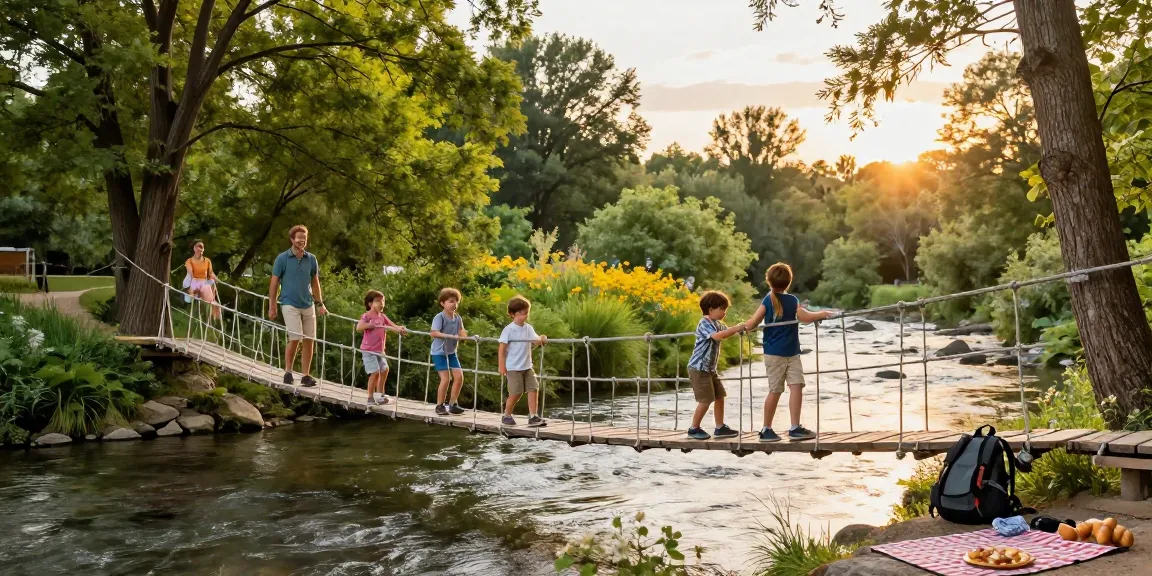
Understanding River Rope Bridges
River rope bridges are an intriguing engineering marvel, often found in picturesque landscapes where nature meets human ingenuity. These bridges serve not only as functional crossings but also as scenic attractions, drawing adventurers and tourists alike. With the right design and maintenance, a River Rope Bridge can enhance the surrounding environment while offering a thrilling experience for those brave enough to cross.
What is a River Rope Bridge?
A river rope bridge is a suspension structure made predominantly of ropes and cables, designed to allow pedestrians and sometimes light vehicles to cross over rivers or other obstacles. While the design can vary widely, the fundamental principle remains consistent: the bridge is suspended between two or more anchor points, relying on tension to support its weight and that of its users. This type of construction is especially popular in rugged terrains and remote areas where conventional bridge-building methods may be impractical.
Types of Rope Bridges Used Worldwide
Across the globe, several types of rope bridges exist, each adapted to its environment and purpose:
- Suspension Bridges: These are the most commonly recognised type of rope bridges, featuring cables that support the deck from above. They are typically employed in areas where wide spans are needed.
- Twisted Rope Bridges: Made from intertwined natural materials, these bridges provide a rustic aesthetic and are often found in traditional settings, particularly in indigenous cultures.
- Hanging Bridges: These bridges are suspended by cables or ropes and can sway slightly with the movement of users, creating a unique crossing experience.
- Fixed Cable Bridges: Unlike suspended versions, these bridges are anchored solidly at both ends, providing greater stability but less flexibility during use.
The History and Evolution of River Rope Bridges
The history of river rope bridges dates back thousands of years, with evidence of their use in ancient civilisations throughout Asia and the Americas. Initially constructed from natural materials such as bamboo, hemp, or vines, these bridges played a crucial role in facilitating trade and communication. Over time, advancements in materials and engineering techniques have led to modern versions that utilise synthetic fibres and steel cables, significantly increasing their strength and lifespan.
Designing Your River Rope Bridge
Designing a river rope bridge involves careful consideration of several factors to ensure safety, functionality, and durability. This section will explore the key elements vital for crafting a successful rope bridge.
Key Factors in Rope Bridge Design
The design of a river rope bridge is influenced by various aspects, including:
- Span Length: Determine how wide the river is to correctly size the cables and materials needed.
- Load Capacity: Assess the maximum weight the bridge must carry, accounting for both static load (the weight of the bridge itself) and dynamic loads (people crossing).
- Anchor Points: Solid and secure anchor points are essential to support the weight and movement without risk of failure.
- Environmental Impact: Consideration must be given to local wildlife and ecosystems to minimise disruption during construction and use.
Materials Needed for Construction
The materials used in constructing a river rope bridge will significantly affect its durability and safety. Commonly utilized materials include:
- High-Strength Synthetic Ropes: These provide excellent tensile strength while being lightweight, making them ideal for modern rope bridges.
- Steel Cables: Often used for anchor points and supports, steel offers unmatched strength and longevity.
- Wooden Planks or Composite Decking: Suitable materials for the walking surface that can resist weather changes and wear.
- Fasteners and Connectors: Essential for securing components together, including carabiners, bolts, and tensioning devices.
Safety Considerations for Building a River Rope Bridge
Safety is paramount when designing and constructing a river rope bridge. Key considerations should include:
- Load Testing: Each component should undergo rigorous testing to ensure it can handle the expected weight and stress.
- Regular Maintenance: Regular inspections and maintenance are critical to identify and address wear and tear before it leads to structural failure.
- Signage and Warnings: Clear signage should be posted at both ends of the bridge, advising users of weight limits and safety protocols.
- Emergency Procedures: Establishing a clear emergency evacuation plan can enhance safety for users.
Best Practices for Crossing River Rope Bridges
Crossing a river rope bridge can be an exhilarating experience; however, it's essential to approach it with caution. This section outlines effective strategies to ensure a safe crossing.
Preparing for Your Crossing
Before embarking on your adventure, preparation is key:
- Wear Appropriate Footwear: Sturdy shoes with a good grip will help maintain balance and traction.
- Check Weather Conditions: Avoid crossing during adverse weather conditions such as high winds or rain, which can affect stability.
- Gather a Crossing Team: If possible, don’t cross alone; having a buddy can enhance safety and provide assistance if needed.
Techniques for Safe Navigation
When on the bridge, employing proper techniques can help ensure a safer crossing:
- Stay Low: Keeping your centre of gravity lower can help maintain stability, especially in windy conditions.
- Move Slowly: Take your time while crossing to avoid sudden movements that could destabilise you.
- Utilise Handrails: If available, use handrails or cables to provide extra support.
Emergency Procedures and Safety Gear
In case of emergencies, it’s crucial to have the right gear and knowledge of procedures:
- Safety Harnesses: Wearing a harness can prevent falls in case of loss of balance.
- Emergency Communication: Carry a whistle or device to signal for help if required.
- First Aid Kit: Always have a basic first aid kit available for immediate response to any injuries.
Popular Locations for River Rope Bridges
Some river rope bridges are renowned for their beauty and thrilling experiences. Here are notable locations to consider!
Top River Rope Bridges to Visit
These bridges attract adventure seekers from around the world:
- Carrick-a-Rede Rope Bridge (Northern Ireland): Famous for its stunning views of the Atlantic and its historic significance, this bridge has been a popular tourist destination for decades.
- Qeswachaka Bridge (Peru): An ancient Incan bridge that remains functional today, offering both cultural significance and breathtaking scenery.
- Capilano Suspension Bridge (Canada): A well-developed tourist attraction, featuring scenic views and a thrilling crossing experience.
Rope Bridge Adventures Around the World
For those looking for unique experiences, numerous locations worldwide offer immersive rope bridge adventures, including:
- Tree Top Walks in Australia: These walks often feature multiple rope bridges, providing a unique perspective of the rainforest.
- Zip-lining and Bridge Crossings in Costa Rica: Combining zip lines with rope bridges allows for an adrenaline-fueled experience amidst stunning natural beauty.
- Lanquin Caves Bridges (Guatemala): Scenic rope bridges connect the breathtaking Lanquin Caves with the surrounding jungle trails.
How to Plan Your Visit Effectively
Planning your visit to a river rope bridge involves considering various aspects:
- Research the Bridge: Understand its history, structure, and recommendations for visitors.
- Book in Advance: Particularly for popular locations, booking tickets or passes beforehand can save time and guarantee your spot.
- Prepare Physically: Some bridges may require a degree of physical fitness, particularly in steep or rugged terrain.
Future Trends in River Rope Bridges
As technology and design methodologies advance, the future of river rope bridges looks promising. This section explores emerging trends shaping the landscape of these structures.
Innovative Designs and Technologies Emerging in 2026
Looking forward to 2026, several innovations are expected to revolutionise river rope bridge design:
- Smart Materials: The use of responsive materials that can adapt to environmental conditions will enhance durability and safety.
- Advanced Engineering Software: Enhanced modelling tools will allow for better design simulations and structural integrity assessments.
- Sustainable Practices: Increased focus on eco-friendly materials and construction methods will contribute to sustainability in bridge-building.
Sustainability Practices in Bridge Construction
With environmental concerns becoming increasingly prominent, sustainable practices in bridge construction are gaining traction:
- Recycled Materials: Leveraging recycled plastics and metals can reduce the ecological footprint of bridge construction.
- Minimising Land Disturbance: Innovative designs aim to reduce the impact on surrounding wildlife and ecosystems.
- Energy Efficiency: Exploring solar-powered lighting or surveillance systems can enhance functionality without adding to energy consumption.
Expert Insights on Upcoming Trends and Developments
Industry experts predict that as the popularity of river rope bridges grows, so will the emphasis on safety and user experience:
- User-Centric Designs: Future bridges may incorporate interactive elements or learning stations to enhance visitor engagement.
- Increased Safety Protocols: With advancements in technology, safety measures will continue to evolve, potentially utilizing sensors to monitor structural health.
- Wider Accessibility: Developing bridges that cater to a broader range of users, including those with disabilities, will become a focal point for designers.
What are those rope bridges called?
Rope bridges are commonly referred to as suspension bridges, or simply rope bridges, depending on their construction and design. They are celebrated for their unique aesthetic and functional properties.
How much does a rope bridge cost?
The cost of a rope bridge can vary significantly based on factors such as materials, span length, and design complexity. Basic models can start at a few thousand dollars, while more elaborate constructions can exceed tens of thousands.
Where is the rope bridge located?
Rope bridges can be found globally, with some of the most famous being Carrick-a-Rede in Northern Ireland and Qeswachaka in Peru, each offering unique cultural and scenic experiences.
How to cross a river with a rope?
To cross a river with a rope safely, one trained individual should anchor a rope on the opposite bank, creating a hand or waist line for participants to use as they cross, maintaining stability and safety against strong currents.
What is the best material for a rope bridge?
High-strength synthetic ropes are often considered the best material for modern rope bridges due to their durability, resistance to weather, and lightweight properties. Steel cables are also integral for structural support.