The Rise of TradingView: Understanding the Platform's Impact
As the trading landscape evolves, platforms like TradingView have emerged to redefine how traders and investors analyze market data. With its powerful tools and community-driven insights, TradingView transforms the chaotic nature of financial markets into a structured and executable research process. This article delves into the core functionalities of TradingView, highlighting its capabilities across various asset classes, including stocks, forex, and cryptocurrencies. The platform's design caters to both novice and experienced traders, providing an all-in-one solution that streamlines the trading experience.
What is TradingView and Its Key Features?
TradingView is a comprehensive web-based platform that offers advanced charting tools, technical indicators, and a vibrant community for traders and investors. Some of its notable features include:
- Interactive Charts: Users can create customizable charts to analyze market trends effectively.
- Technical Indicators: A vast library of indicators and overlays helps traders fine-tune their strategies.
- Pine Script: A dedicated scripting language for users to develop custom indicators and strategies.
- Social Networking: Community engagement allows users to share insights and strategies with fellow traders.
- Market Coverage: Access to a wide range of asset classes, including stocks, forex, and cryptocurrencies, all from one account.
When exploring options, TradingView provides comprehensive insights into market movements, making it an essential tool for anyone looking to make informed trading decisions.
How TradingView Facilitates Market Research and Analysis
Market research is crucial for successful trading, and TradingView excels in this area. The platform integrates various data sources, allowing users to conduct in-depth analysis without the hassle of switching between multiple applications. Features such as:
- Dynamic Scanners: Quickly filter stocks based on specific parameters like price, market cap, and volume.
- Community Ideas: Access to a range of trading ideas shared by other users, fostering a collaborative environment.
- Real-Time Data: Up-to-the-minute information ensures that traders are always aware of market conditions.
This integration of tools not only simplifies the research process but enhances the overall trading experience, enabling traders to focus on formulating strategies rather than navigating complex software.
The Community Aspect: Engaging with Other Traders
One of TradingView's standout features is its community aspect. Users can interact with each other through comments, discussions, and shared analyses, allowing for a rich exchange of ideas. This collaborative environment is beneficial for:
- Learning: New traders can learn from the successes and failures of others.
- Strategy Development: Engaging with experienced traders can provide fresh perspectives on market strategies.
- Feedback and Validation: Users can share their trading ideas and receive constructive feedback, enhancing their trading approaches.
With a robust community of traders, TradingView not only serves as a platform for technical analysis but also as a hub for trader collaboration and knowledge sharing.
Setting Up Your Trading Workspace Effectively
To maximize the benefits of TradingView, a well-organized trading workspace is essential. A personalized setup tailored to individual needs can significantly enhance a trader's efficiency and effectiveness.
Essential Hardware for Using TradingView
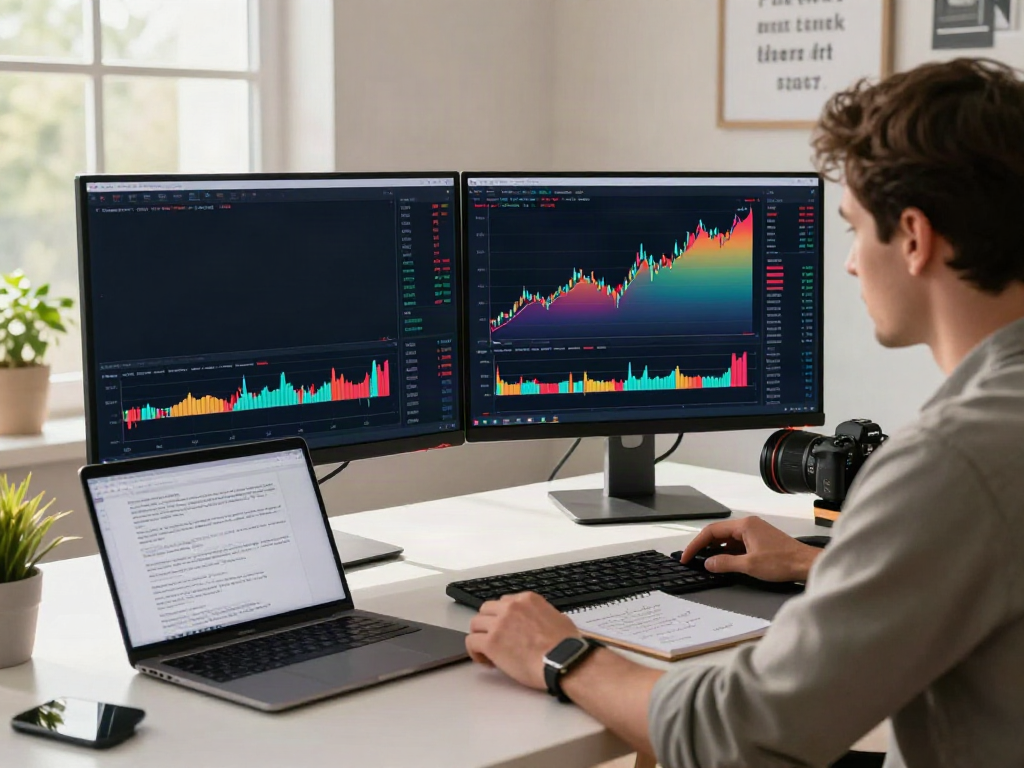
While TradingView is a web-based platform, having the right hardware can improve the overall experience. Essential hardware includes:
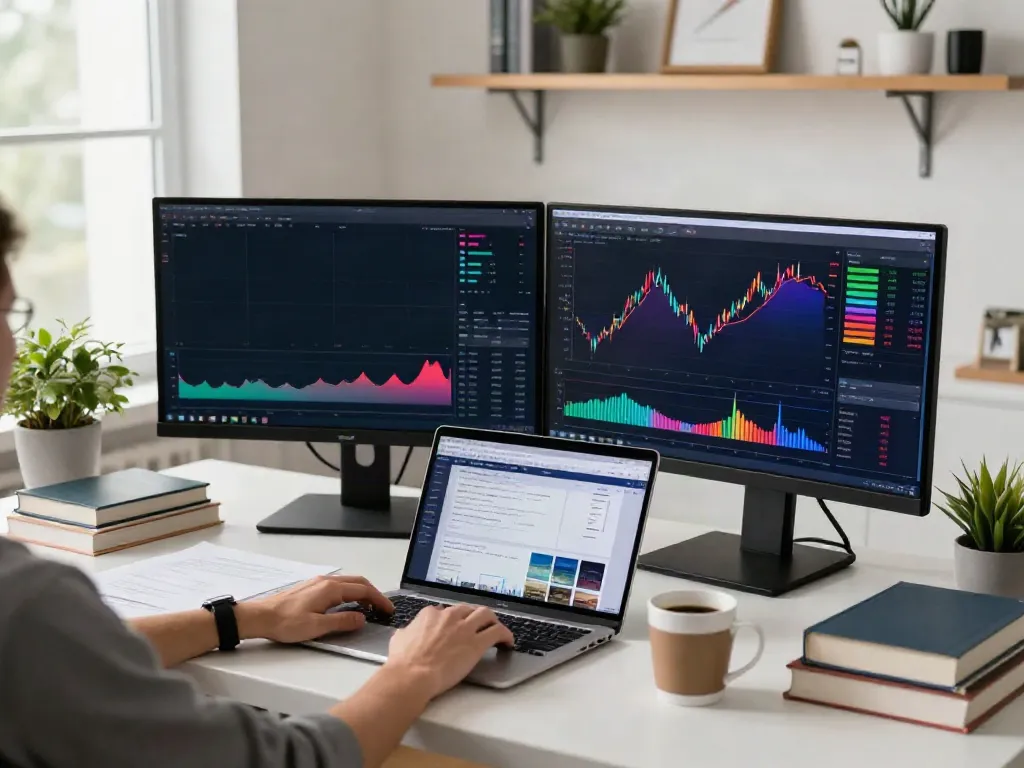
- High-Resolution Monitors: Multiple screens allow for easier navigation and simultaneous viewing of various charts and data.
- Fast Internet Connection: A stable and fast connection ensures real-time data streaming without lags.
- Reliable Computer: While TradingView runs smoothly on most devices, using a moderately powerful computer can enhance performance, especially with heavy charting.
Optimizing Your Screen Layout for Better Insights
Customizing the screen layout in TradingView can help traders focus on the most relevant data. Strategies include:
- Multi-Chart Layouts: Utilize TradingView's multi-layout options to analyze different assets concurrently.
- Custom Toolbars: Personalize toolbars with frequently used indicators or tools for quick access.
- Workspace Saving: Save your layout configurations to easily switch between different trading sessions.
By optimizing screen layouts, traders can ensure that they are always one step ahead in market analysis.
Create Custom Alerts for Trading Success
Setting custom alerts is critical for staying informed about market movements. TradingView offers robust alerting features that enable users to:
- Set Price Alerts: Notify when an asset reaches a specific price point.
- Indicator Alerts: Trigger notifications based on technical indicator thresholds.
- Custom Signal Alerts: Use Pine Script to create alerts for unique trading conditions.
Effective alert management allows traders to react swiftly to market changes without continuously monitoring charts.
Maximizing the Use of TradingView Tools
TradingView's tools are designed to enhance trading strategies and analytical capabilities. Knowing how to use these tools effectively can significantly improve trading performance.
Using Pine Script for Custom Indicators and Strategies
Pine Script is TradingView's proprietary scripting language, enabling users to customize indicators and develop trading strategies. Key benefits include:
- Creativity: Traders can build indicators tailored to their unique strategies.
- Testing and Validation: Use the Strategy Tester to backtest trading ideas before going live.
- Community Sharing: Publish your scripts to the TradingView community to gain insights and feedback.
By leveraging Pine Script, traders can create a personalized trading environment that meets their specific needs.
Leveraging Supercharts for In-Depth Analysis
TradingView's Supercharts feature offers advanced charting capabilities, providing traders with an edge in analyzing complex data. Key features include:
- Multiple Time Frames: View data across different time frames within a single chart.
- Technical Analysis Tools: A wide range of drawing tools and indicators can be layered onto the chart for enhanced analysis.
- Collaboration Tools: Share charts with others for collaborative analysis.
Supercharts simplify the complexity of data analysis, allowing traders to focus on identifying trends and making informed decisions.
Exploring Financial Calendars and News Integration
Staying updated with financial news and events is crucial for traders. TradingView integrates financial calendars and news feeds, providing users with:
- Event Notifications: Alerts for significant economic events that could impact markets.
- News Headlines: Real-time news updates directly on the platform, ensuring traders remain informed.
- Historical Data Access: Analyze how past events have influenced market behavior.
This integration allows traders to anticipate market shifts based on external events, providing a significant advantage in the trading landscape.
Developing Effective Trading Strategies with TradingView
Creating and refining trading strategies is a continuous process. With TradingView's features, traders can develop, test, and optimize their strategies effectively.
Backtesting Your Strategies with Historical Data
Backtesting is an essential part of strategy development. TradingView allows users to:
- Access Historical Data: Utilize extensive historical price data to test strategies accurately.
- Analyze Performance: Evaluate performance metrics such as win rate, drawdown, and profit factor.
- Optimize Settings: Adjust indicator parameters based on backtest results to enhance future performance.
Employing backtesting can reduce risks and increase confidence in a trading strategy before applying it in live markets.
Understanding Live Market Conditions and Price Alerts
Live market conditions can fluctuate rapidly, highlighting the need for traders to remain agile. Utilizing TradingView's:
- Real-Time Data Streams: Ensure that you are viewing live market data for accurate decision-making.
- Dynamic Alerts: Set alerts for price movements, ensuring you can respond quickly to changing conditions.
- Market Heat Maps: Visualize market performance at a glance, identifying trends and anomalies efficiently.
By staying attuned to live market conditions, traders can capitalize on opportunities that may arise unexpectedly.
Iterating and Improving Your Approach through Community Feedback
Feedback from the TradingView community is invaluable for refining trading approaches. Users can:
- Engage in Discussions: Take part in forums and discussions to gain insights from diverse trading perspectives.
- Share Analysis: Publish analyses and receive constructive criticism.
- Interact with Experienced Traders: Learn from the experiences of seasoned professionals within the community.
By leveraging community feedback, traders can continually improve their strategies and adapt to market changes.
Future Trends in Trading Platforms: What to Expect in 2026
The trading landscape is ever-evolving, with technology playing a critical role in shaping user experiences. As we look to the future, several trends are likely to emerge:
Emerging Trading Technologies and Innovations
As technological advancements continue, platforms like TradingView are expected to integrate innovative features such as:
- Augmented Reality (AR): Implementing AR for a more immersive market analysis experience.
- Advanced Analytics: Utilizing AI-powered tools for predictive analytics and enhanced decision-making.
- Blockchain Integration: Increased transparency and security features through blockchain technology.
How AI and Machine Learning Will Shape Trading Interfaces
AI and machine learning will revolutionize trading platforms in the coming years by:
- Personalized Trading Experiences: Tailoring trading interfaces and features based on user behavior and preferences.
- Automated Trading Strategies: Providing users with more robust automated options based on complex algorithmic trading.
- Enhanced Risk Management: Intelligent systems assessing and managing risks in real-time.
Predicted User Engagement Trends and Platform Adaptations
As the trading demographic shifts, platforms will adapt to meet the needs of new traders. This includes:
- Mobile Optimization: Continued enhancements to mobile trading applications for on-the-go access.
- Educational Resources: Increased focus on educational content to support novice traders in their journey.
- Gamification: Implementing gamification elements to engage users and encourage learning.
What are the Best Practices for New Users?
For those new to TradingView or trading in general, adopting best practices can set the foundation for success:
- Start with a Demo Account: Familiarize yourself with the platform without financial pressure.
- Engage with the Community: Learn from others and ask questions to improve your knowledge.
- Develop a Trading Plan: Define your goals, strategies, and risk management rules clearly.
How to Stay Updated in the Fast-Paced Trading World?
Staying informed is crucial in the trading world. Traders can:
- Follow Financial News: Keep abreast of economic events and trends that could impact the markets.
- Utilize Social Media: Engage with trading communities on platforms like Twitter and Reddit for real-time insights.
- Subscribe to Newsletters: Receive regular updates and analyses from trusted financial platforms.
By adopting these strategies, traders can navigate the fast-paced trading environment with confidence.